
70 Safety Tips
June 12, 2025 | Category: Article
As we celebrate 70 years of service at Cetronia Ambulance Corps, we’ve accumulated quite a few safety tips. Our goal is to serve you in need, but we’d prefer that you were safe and prepared, so that our services are less likely to be needed.
So 70 safety tips, broken down into seven bite size categories, general tips, first aid kit basics, emergency kit basics, and then seasonal safety tips for winter, spring, summer, and autumn.
General Tips
It’s not just alphabet soup, but these acronyms help our memories, and these tips can help you.
1. First aid is not “conclusive care” for most people. Make sure that an ambulance is on the way or that they can be transported safely to a hospital or medical center.
2. Blood is red, see blood think red. Rest, Elevation, Direct Pressure.
3. The ABCDEs of First Aid – Airway, Breathing, Circulation, Disability, Exposure.
4. BE FAST for a Stroke – Balance, Eyesight, Face, Arms, Speech, Time.
5. CPR Certification. Get and renew your training on a regular basis.
6. RICE – Rest, Ice, Compression, Elevation – This is especially helpful for soft tissue injuries.
7. AVPU – Alert, Verbal, Pain, Unresponsive – Use this for accessing level of consciousness, and it will help when EMS arrives or when you call 911 if necessary.
8. SAMPLE – Signs and symptoms / Age, athleticism, allergies / Medication / Past history / Last oral intake / Events leading up to incident. EMS will ask these questions to help them diagnosis and treat the patient.
9. Remember the 3 C’s of first aid: Check, Call, and Care.
10. Hydration: Fever, Flu, Diarrhea, heat related issues all can be mitigated or prevented by staying hydrated. It’s also just healthy to be hydrated, too.
First Aid Kit Basics
A first aid kit is only as useful as it is supplied.
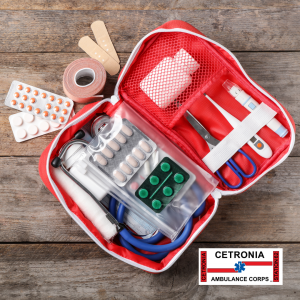
1. Bandages / Gauze / Dressings / Tape. Once a wound is cleaned, these can protect from further infection or injury.
2. Tourniquet. While many movies show makeshift tourniquets, in an emergency situation, not having to use a makeshift one is much simpler and safer.
3. Gloves. Especially away from running water, gloves can help those treating a wound from further infecting what they are trying to clean and heal.
4. Antiseptic wipes / Antibiotic ointment / Hydrocortisone ointment. We all know this stuff can sometimes sting, but better some sting now, than an infection later.
5. A Breathing Barrier / Surgical Mask. The breathing barrier can protect both the rescuer and victim during CPR, and a surgical mask is good for blocking most splashes, sprays, and splatter from sick patients.
6. An Instant Cold Compress. Especially when you’re not home and that frozen beef tenderloin or bag of peas is not available.
7. Baby Aspirin / Aspirin / Ibuprofen / General Pain Killers. While they may not relieve all of the pain and discomfort, they will be a relief and comfort.
8. Tweezers / Scissors. Tweezers are good for removing slivers or splinters, while scissors pair well with the bandages, gauze, and dressing, should you need them.
9. Thermometer. Is it a fever or not? We know that there are plenty of “homespun” ways to check, but a good thermometer will tell you exactly what temperature you are dealing with.
10. An Emergency Blanket. If you need someone warm or dry, an emergency blanket can help.
Emergency Kit Basics
Having an emergency kit in a go bag, in your car’s trunk or near the door, can mean it’s with you or nearby when you need it most.
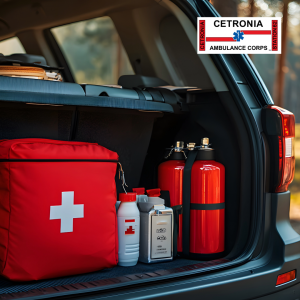 1. First Aid Kit. The above first aid kit basics will go a long way in an emergency.
2. Flashlight / Batteries. Not all emergencies happen during the day, and it’s nice to see where you are going and what is happening.
3. Radio / Batteries. While we all have phones, having a radio and some batteries can keep you connected in an emergency, especially if the emergency broadcast system has been activated. Also, a small portable radio with batteries is likely to last much longer with power than your smartphone.
4. Water. Water is essential in emergency situations.
5. Whistle. In the event that you need to be found, if the batteries of your flashlight have gone out, a whistle can help EMS personnel locate you.
6. Fire Extinguisher. Because the water in your emergency kit is for drinking.
7. Matches in a waterproof container. Matches can help you start a fire, but only if they are dry.
8. Non-perishable Food. Granola bars, nuts, canned goods, you don’t need to feed an army or have a gourmet feast, but some food in an emergency is better than no food.
9. Tissues / Toilet Paper / Paper Towels and bag with ties for safe disposal. Noses run, nature calls and hands need to be washed, even in emergencies.
10. Change of Clothes. You don’t need a full wardrobe, but some extra clean and dry clothes could be very important in an emergency.
Winter Safety Tips
Stay safe, stay warm, stay dry.
1. Drive Safely in the winter weather. Specifically this means driving with caution, as winter conditions aren’t always apparent to our eyes, like black ice.
2. Prevent Carbon Monoxide by having and checking your Carbon Monoxide detectors. These detectors can save lives, as the symptoms are similar to the flu, but the cause is not.
3. Stay warm by staying dry and dressing in layers. Layers are important for keeping warm, but if you get too warm, you can remove a layer and still be comfortable.
4. Prevent slips and falls by clearing walkways of snow and ice. Shovels, snowblowers, ice melt, there are plenty of ways to clear your walkways.
5. Staying out of inclement weather is better than trying to be safe in it. When in doubt, if you don’t have to go out, don’t. Staying safe indoors is always easier than attempting to be safe in inclement weather.
6. Know the forecast and be prepared. Being prepared with an emergency kit is great, but knowing the weather is equally important.
7. Avoid overexertion, especially when clearing walkways of snow or ice. There is no shame in taking breaks. Breaks are good and healthy.
8. Whether working or playing, take frequent breaks to warm up. We know you think you can shovel the driveway or play football in just a hoodie, but it’s cold out there and you should not only take the time to warm up inside, but you can also hydrate too.
9. Stock up on supplies in case of inclement weather or power outage. When it comes to staying safe in the winter, most people only have to brave the elements if they need something. Stocking up on supplies means you don’t have to brave the weather.
10. Know, not just the weather, but the wind chill. There is cold and then there is wind-chill cold. Both can be dangerous.
Spring Safety Tips
Be prepared, be adaptable, enjoy the thaw.
1. Dress in layers for changes in temperature. What started as a 65 degree morning could easily turn into an 80 degree afternoon. Or a 75 degree afternoon could see a storm roll through and drop the temperature 20 degrees. Layers can help.
2. Apply sunscreen when you are outside. Sunburn isn’t just for summer, if the sun is out, exposed skin can get burned.
3. Use caution on wet surfaces, in early spring ice is not uncommon. And driving cautiously is always less time consuming than calling a tow truck or EMS.
4. Be mindful of the air quality, especially if you suffer from allergies. From pollen to smoke, the weather websites and apps all now carry air quality forecasts, utilize them.
5. Clean gutters and clear downspouts to prevent water damage. Any leaves or debris left from after your autumn cleaning could lead to pooling or water drainage that might impact your home.
6. Severe weather can change quickly, have a plan for thunderstorms. If you’re in the backyard, getting into the house is easy, but if you’re having a picnic or out away from home or even away from the car, have a plan just in case.
7. Wildlife is also emerging from winter slumber, be careful around any animal sightings. Wild animals are not your pets. Some are more afraid of you than you are of them, but others may be more dangerous than you anticipate. It’s always better to keep your distance.
8. Have a flood plan. If you live in a flood plain, or work or play near a body of water, lake, river, even creek, know that once the water leaves its containment it’s a flood, and it could cause dangerous water flows, surges, and hinder transportation.
9. Secure outdoor furniture in case of heavy winds. Heavy wind gusts are often associated with drastic changes in temperature. Often, with little notice, so make sure your outdoor furniture is secure when you’re not using it, or put it away.
10. March is typically the windiest month of the year, check your house, plants, and trees for loose shingles, sidings, or branches. Parts of your house coming loose can open your home up to water damage, but along with branches can also be picked up by the wind and carried into parked cars or traffic. Always check your house and property after storms or sustained periods of heavy wind.
Summer Safety Tips
Be cool, stay hydrated, have fun.
1. Keep hydrated. You drank some water, great! Now before you leave, refill the bottle and take it with you!
2. Wear proper protective gear. On the water wear life jackets, hiking on the trail wear breathable clothes, biking, skating, or boarding wear a helmet. Stay safe today, keep playing tomorrow.
3. Avoid intense activity on hot days. Hot weather can increase the risk for accidents and injuries, so when you can, avoid anything strenuous outdoors on hot days.
4. Wear hats and sunglasses to protect your eyes. We often think of hats and sunglasses more as a fashion accessory than a safety accessory, but they can and will protect your eyes!
5. Take frequent breaks. These breaks are a great time to remember to stay hydrated.
6. Avoid direct sunlight. UV radiation is strongest between 10am and 2pm and not only is it an issue for your skin, the light and heat from the sun can reduce your energy as your body works overtime to cool itself.
7. Know the difference between Heat Exhaustion and Heat Stroke. Both are serious, but heat stroke is the more severe and can induce confusion, delirium, and loss of consciousness.
8. Prepare for bugs. By land or by air, there are bugs in the great outdoors. You don’t have to avoid them but be prepared and know what you may be allergic to.
9. Avoid food poisoning. Make sure all food is thoroughly cooked and avoid food that has been sitting out in the heat.
10. Plant safety. While it’s a good idea to take shelter from the sun in the shade of a tree, not all plants are helpful. Avoid poison plants, and if you’re not sure, don’t chance it, stay away.
Autumn Safety Tips
As temps cool, stay warm, prepare for winter, and enjoy the holidays.
1. Check/replace batteries in carbon monoxide and smoke alarms. As the windows start to close for the season and the fireplaces get utilized more, annually checking or changing the batteries is a good way to maintain your alarms.
2. Check your home’s fire extinguishers and first aid kits. As with the alarms, it is a good practice to get into the habit of doing this annually. And doing it together with the alarms makes it more likely to get done.
3. Drive safely, with changes in daylight and renewed back to school traffic patterns, exercise caution as your commute and daily travel changes with the seasons.
4. Whether walking or driving, be careful as leaf-covered surfaces can be deceptively slick.
5. Wash hands often. While this is great advice year-round, autumn is the beginning of cold and flu season.
6. Get your annual flu/covid shot. As fall is the beginning of cold and flu season, it’s great to get your annual flu/covid shots to be protected through the season.
7. Prepare for rapid temperature changes. A 72 degree afternoon can easily morph into a 40 degree evening depending on the weather, so stay safe and be prepared.
8. Utilize Halloween Safety. It’s all fun and games until someone gets hurt.
9. Inspect/clean your chimney and fireplace before use. A faulty or blocked chimney can easily start a fire.
10. As Halloween decorations give way to the merrier season, check extension cords and don’t overuse outlets, this can lead to tripping a circuit breaker or worse, a fire.
Written By: Jason Stershic, Blogger for AgentPalmer.com and Podcaster host of The Palmer Files.